

Stainless Steel vs Aluminum Channel Letters: Which Metal Should You Specify?
Signage Guides 9 min read · 2,079 words · Updated Nov 7, 2026 Stainless Steel vs Aluminum Channel Letters: Which Metal Should You Specify? Picture two quotes on the same desk this week. One is a seaside resort that wants brushed metal letters over the entrance. The other is a suburban office park with forty identical tenant…
Need Pricing or Permit Specs for Your Sign?
Send brief project specs or permit questions—our US engineering team replies within 1 business day (8–10 business days production).
Jump to Section (15)
Picture two quotes on the same desk this week. One is a seaside resort that wants brushed metal letters over the entrance. The other is a suburban office park with forty identical tenant signs. Same product category, completely different metal decisions.
Aluminum or stainless steel sounds like a simple question until you ask what the sign will look like in five years, how it handles salt air, and whether the wall can carry the weight. Pick well and the sign looks sharp for a decade. Pick badly and you get brown streaks, chalky paint, or a surprise bill for stronger anchors.
This guide compares the two metals the way a specifier needs them compared: corrosion, weight, finish, cost, and care. It also covers the grade question that trips up coastal projects, 304 versus 316 stainless, and the hardware detail that quietly ruins mixed-metal signs.
The Short Answer
Aluminum is the default for most channel letters. It is light, resists corrosion on its own, forms and paints easily, and costs less. For storefronts, rollouts, and large letters, it is usually the practical choice.
Stainless steel is the premium option. Choose it when you want a true brushed or mirror metal look, extra resistance to dents, or an upscale architectural finish. For coastal sites, pools, and areas with heavy road salt, specify 316 grade, not 304, and plan on regular cleaning.
How Each Metal Is Used in Channel Letters
A channel letter has a few metal parts. The return is the side wall that gives the letter its depth. The back closes the letter at the wall. On front-lit letters the face is acrylic, while on halo-lit and non-illuminated letters the face itself can be metal.
BASISSIGN’s front-lit channel letters use aluminum returns with an acrylic face. Our back-lit halo letters are built from stainless steel in 304 or 316 grade, or from aluminum, in thicknesses of roughly 0.040 to 0.063 inch. Our perforated return and open face letters use heavy-gauge aluminum or stainless steel returns.
Aluminum
Aluminum protects itself. When it meets air, it forms a thin, hard oxide film that shields the metal underneath, and the film re-forms if it gets scratched. Paint, powder coating, or anodizing adds more protection and gives you the color you need. You can read more about the metal on The Aluminum Association’s site (opens in new tab).
It also weighs about one-third as much as steel, which makes large letters easier to handle, ship, and mount. It cuts, bends, and welds readily, which keeps fabrication time and cost down.
Stainless Steel
Stainless steel resists corrosion because of its chromium content, which forms a passive surface layer. The two grades you will see most are 304 and 316. Grade 304 is the general-purpose workhorse. Grade 316 adds molybdenum, which improves resistance to pitting from chlorides such as salt air, pool chemicals, and road salt.
Stainless is harder than aluminum, so it resists dents and scratches better, and it gives a metal finish that paint cannot fully imitate. It is also heavier, tougher to cut and form, and usually more expensive.
Stainless Steel vs Aluminum: Side by Side
| Factor | Aluminum | Stainless steel |
|---|---|---|
| Weight | About one-third the weight of steel | Roughly three times heavier than aluminum |
| Corrosion resistance | Natural oxide film, plus paint or anodizing | Passive chromium layer, with 316 for coastal and salt exposure |
| Finish options | Painted or powder-coated in any color, anodized, brushed | Brushed, polished, mirror, and custom painted |
| Dent resistance | Softer, can dent | Harder, resists dents and scratches |
| Fabrication | Easy to cut, bend, and weld | Tougher to cut and form, more labor |
| Upfront cost | Lower | Higher, and 316 costs more than 304 |
| Upkeep | Wipe clean, touch up chipped paint | Keep clean, watch for fingerprints and salt deposits |
| Best for | Storefronts, rollouts, large letters, budget-sensitive jobs | Lobbies, luxury brands, architectural facades, coastal sites (316) |
Corrosion: What Actually Happens Outdoors
Both metals resist corrosion, but neither is immune. The details decide which one fits your site.
Aluminum rarely rusts, but if its paint or anodized finish is damaged in salty air, the exposed metal can develop a white, chalky oxidation. That is mostly cosmetic, and it is why the coating system matters as much as the metal.
Stainless steel can be attacked by chlorides, which break down its protective layer. The Nickel Institute’s guide to stainless steel in exterior architecture (opens in new tab) stresses choosing the right grade for the site, and notes that marine salts can travel much further inland than people expect.
304 vs 316 in Practice
One industry body, the South African Stainless Steel Development Association, recommends 316 or better for exterior use within about 4 kilometers of the sea (opens in new tab), with 304 acceptable inland. The British Stainless Steel Association goes further in its care guidance (opens in new tab), listing 304 as not recommended in coastal or marine locations and suggesting cleaning 316 every 6 to 12 months there.
Tea Staining
Even 316 is not maintenance free. In coastal or humid air, stainless can develop brown surface discoloration known as tea staining. It looks like rust but is usually cosmetic, and regular cleaning removes it.
Smoother finishes help. A technical datasheet from Aalco on stainless steel in coastal environments (opens in new tab) names grade 316 with a mirror polished finish as the best choice for long life and good appearance, because contaminants cling less to a smooth surface.
Coastal, Pool, and Winter Salt Locations
Use this as a starting point, then confirm with your manufacturer.
In an inland, dry climate, painted aluminum or 304 stainless both work well. Near the coast, around pools or spas, or where roads are heavily salted, choose 316 stainless or a well-coated aluminum, and build a cleaning routine into your maintenance plan.
If a project sits in between, such as a few miles from the sea, ask the manufacturer what they have seen perform in your area. Local experience is worth more than a general rule.
Weight, Mounting, and Wall Loads
Stainless steel letters weigh roughly three times as much as aluminum letters of the same size. On small letters that hardly matters. On large letters, long raceways, or thin facades, it changes the anchor plan.
Weight also affects shipping cost and the crew you need on install day. Send your wall details and letter sizes with your quote request so the mounting hardware is matched to the metal. Our installation resources explain the common mounting methods.
Finishes and Looks
Aluminum is the color specialist. It can be painted or powder-coated to match a brand color closely, which is why it suits rollouts where every location must look the same.
Stainless steel is the metal specialist. Brushed finishes hide minor scratches and give a refined, directional grain. Polished and mirror finishes look dramatic but show fingerprints and water spots, so they suit locations people cannot touch. BASISSIGN also offers custom painted finishes on stainless when the design calls for it.
Cost and Value
Upfront, aluminum usually costs less, and 316 stainless costs more than 304. That is only part of the picture.
Painted aluminum can need touch-ups over time, and stainless needs periodic cleaning in harsh air. For a flagship location where the look is the brand, the premium for stainless can be easy to justify. For a forty-location rollout, painted aluminum often delivers the consistency and budget you need. Our channel letter cost guide covers what drives the overall price.
Mixing Metals: The Galvanic Corrosion Trap
This is the detail that quietly ruins good signs. When two different metals touch in a wet or salty environment, the less noble one can corrode faster. Stainless steel fasteners against an aluminum letter are a classic example.
The Nickel Institute’s maintenance and cleaning guidelines (opens in new tab) point to electrically insulating stainless steel from dissimilar components as a way to avoid this. In practice, that means isolating washers or sleeves, compatible hardware, and a clean install.
The opposite problem matters too. Plain carbon steel hardware or tools can leave iron particles that rust and stain a stainless face. Ask your manufacturer how hardware is chosen and isolated.
Which Metal for Which Letter Style
| Letter style | Typical metal | Notes |
|---|---|---|
| Front-lit channel letters | Aluminum returns, acrylic face | The standard storefront choice |
| Back-lit halo letters | Stainless steel (304 or 316) or aluminum | Stainless is popular for upscale and corporate looks |
| Perforated return and open face letters | Aluminum or stainless steel returns | Deeper returns, retro marquee styling |
Quick Decision Guide by Project
| Project | Likely choice | Why |
|---|---|---|
| Suburban strip mall storefront | Painted aluminum | Lower cost, easy color matching, light to mount |
| Franchise or multi-location rollout | Painted aluminum | Consistent color and predictable pricing |
| Coastal hotel or resort | 316 stainless, or well-coated aluminum | Salt air demands the right grade and a cleaning plan |
| Pool, spa, or marina area | 316 stainless | Chlorides attack lower grades |
| Corporate lobby, indoors | Brushed stainless or aluminum | Premium look, and 304 is usually fine inside |
| Cold climate with road salt | Well-coated aluminum or 316 stainless | De-icing salt is aggressive |
See how this plays out in our hospitality signage projects and corporate and professional signage.
What to Ask Your Manufacturer
Two quotes can look identical and still use different metal. These questions keep you comparing like with like:
- Which alloy and grade is used, 304 or 316 for stainless, and what thickness?
- How are aluminum parts finished, painted, powder-coated, or anodized?
- How is hardware chosen and isolated to prevent galvanic corrosion?
- What does each letter weigh, and what mounting load should I plan for?
- Can I see a finish sample before approving production?
- What does the warranty cover on the structure? BASISSIGN lists 5 years on structure, detailed on our warranty policy page.
- What cleaning routine do you recommend for my location?
Care and Cleaning
For aluminum, wipe with mild soap, water, and a soft cloth, and touch up chipped paint before moisture gets underneath.
For stainless steel, clean along the grain with a soft, non-abrasive cloth. Aalco warns against cloths contaminated with iron or mild steel, and against cleaning products that damage the polished surface. In coastal areas, rinse with fresh water now and then, and follow the cleaning interval your manufacturer or the BSSA guidance suggests.
Common Mistakes When Choosing a Metal
The most common mistake is specifying 304 stainless for a coastal site to save money. It may look fine at handover and stain within a season.
The second is assuming stainless never needs cleaning. Even 316 needs regular care in salty or humid air.
The third is mixing metals without isolating the hardware, which can corrode the softer metal around every fastener.
The fourth is ignoring weight. Large stainless letters can change the anchor plan, and that is better discovered before ordering than on install day.
The last is comparing quotes without comparing alloys and thicknesses. A cheaper quote may simply be thinner metal or a lower grade.
Frequently Asked Questions
Not always. Stainless steel gives a premium metal look and resists dents, while aluminum is lighter, easier to color match, and costs less. For most storefronts, aluminum is the practical choice, and stainless is the upgrade for upscale or coastal projects.
Final Thoughts
The resort and the office park from the start of this guide do not need the same metal, and that is the point. Match the metal to the environment, the wall, and the brand, not to habit.
If you are specifying letters for a project, request a free mockup and quote and tell us the location, wall type, and finish you want. We will recommend a metal and grade that fit.
Continue Reading
Related Signage Guides
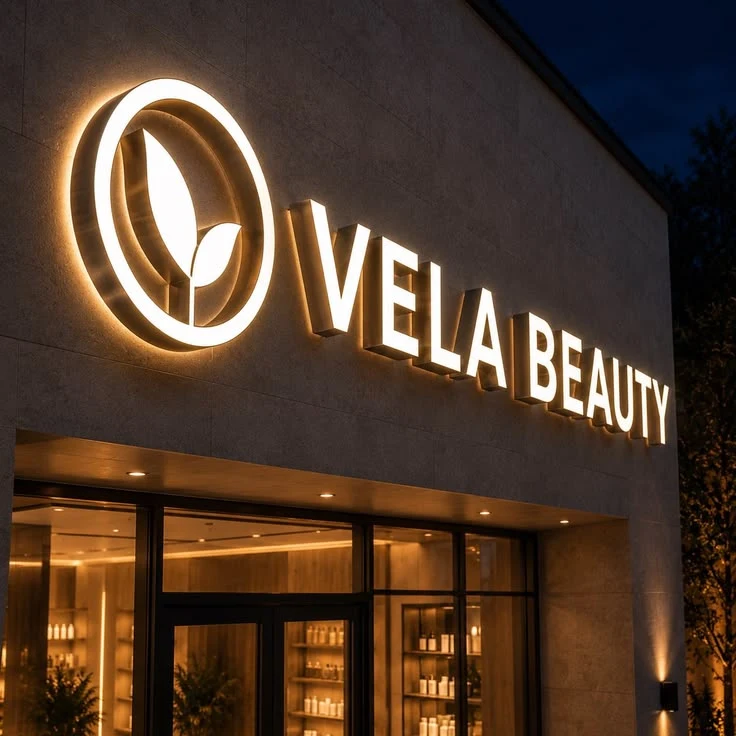
Channel Letter Signs in Alpharetta, GA: Permit Rules, Timeline, and How to Order Factory-Direct
Permits & UL Code 8 min read · 1,741 words · Updated Nov 11, 2026 Channel Letter Signs in Alpharetta, GA: Permit Rules, Timeline, and How to Order Factory-Direct Ordering channel letter signs for an Alpharetta, GA business? See the city's permit rules, the 45-business-day review limit, UL 48 requirements, and factory-direct ordering.

Sign Permit Drawings: What Cities Actually Require (A Checklist With Real Examples)
Permits & UL Code 8 min read · 1,798 words · Updated Nov 9, 2026 Sign Permit Drawings: What Cities Actually Require (A Checklist With Real Examples) Picture a sign shop that submits a permit application with a polished mockup and a one-line description. The mockup looks great. The city rejects the submittal anyway. One county's published…
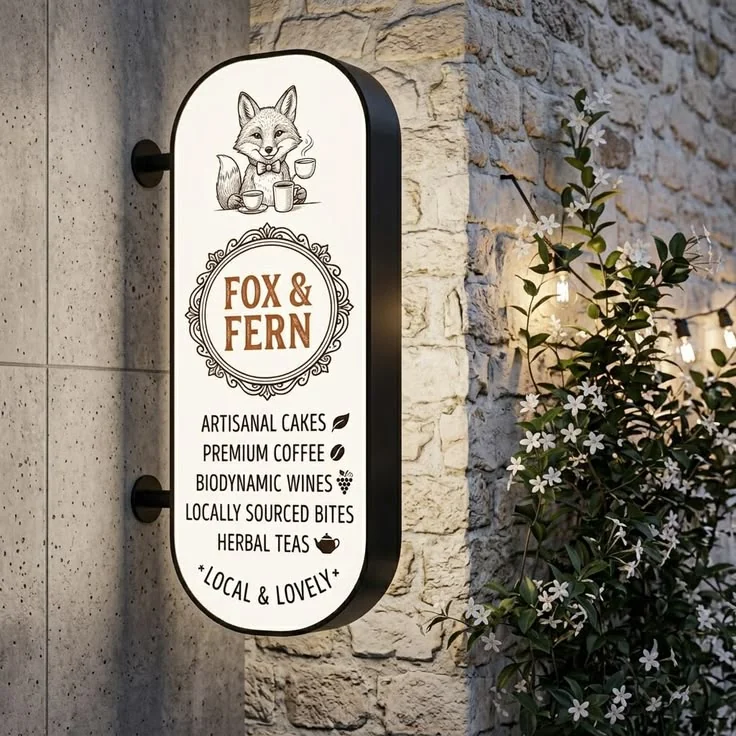
Channel Letters vs Light Box Signs: The Complete Guide to Choosing the Right Sign for Your Business
Signage Guides 12 min read · 2,649 words · Updated Nov 8, 2026 Channel Letters vs Light Box Signs: The Complete Guide to Choosing the Right Sign for Your Business The rest of this guide explains every factor behind that advice, so you can make the decision with your eyes open instead of relying on a salesperson or a guess.